Key Factors That Affect Local Demolition Timelines and Costs
Demolition projects require careful planning to manage timelines and budgets effectively. Local factors play a major role in how long a job takes and how much it costs. These elements range from regulatory approvals to site-specific challenges that can speed up or delay progress.
Understanding these influences helps property owners, developers, and contractors set realistic expectations. Proper preparation minimizes surprises and keeps projects on track. This article breaks down the main contributors to demolition timelines and costs in local contexts.
We examine permitting processes, building characteristics, environmental rules, labor dynamics, and more. Each factor receives detailed attention to provide actionable guidance. Developers who master these variables often complete projects ahead of schedule and under budget.
Key Takeaways
- Permitting delays often extend timelines by weeks or months.
- Building size and materials directly impact costs and duration.
- Asbestos testing adds time and expense to older structures.
- Weather conditions can halt work and increase labor hours.
- Site access influences equipment use and efficiency.
- Experienced contractors help control variables for better outcomes.
The Role of Permitting and Regulatory Approvals
Permits form the gateway to any demolition project. Local authorities review applications to ensure safety and compliance. Processing times vary by jurisdiction, with urban areas often facing longer waits due to higher volumes. Rural counties might approve in days, while city halls juggle backlogs from multiple projects.
Submit complete packages early, including site plans, engineering reports, and notifications to neighbors. Incomplete submissions lead to rejections and restarts. Some cities require public hearings for large-scale jobs, adding 30-60 days. Engage planners early through pre-submittal conferences to address questions upfront.
Zoning laws dictate what can come down. Historic designations protect certain buildings, requiring special variances that involve architectural reviews. Environmental reviews check for hazards like lead paint or underground tanks. Utility companies must sign off on disconnects for gas, electric, and water lines.
Costs tied to permit fees, which scale with project size. Expect $500 to $5,000 plus consultant expenses. Delays here ripple through the schedule, pushing back contractor mobilization. Track application status weekly and prepare backups, like expedited fees if needed.
Proactive engagement with officials streamlines this phase. Building good relationships pays dividends in future projects, too.
Building Size, Type, and Material Composition
Structure dimensions set the baseline for effort. Single-story homes clear faster than multi-story commercial buildings. Larger footprints demand more equipment time and debris handling. A 1,000-square-foot bungalow might wrap in two days, while a 50,000-square-foot factory takes weeks.
Construction type matters too. Wood-frame houses dismantle quickly than concrete or steel-reinforced ones. Masonry walls require specialized tools like hydraulic breakers, extending hours. Reinforced concrete slabs need diamond saws for precise cuts, adding skilled labor time.
Age influences material makeup. Pre-1980s buildings often contain asbestos, PCBs, or other regulated substances. Testing mandates halt work until abatement completes, sometimes doubling timelines. Even non-hazardous older materials like transite siding break into sharp fibers that slow cleanup.
Interior complexity adds layers. Multi-room layouts with plumbing and wiring require slow selective demolition. Open warehouses proceed more smoothly. Basements or crawl spaces hide surprises like collapsed floors that require shoring.
Costs rise with scale. Basic residential jobs run $4-$8 per square foot, while complex industrials hit $15-$25. Material recycling offsets some expenses through salvage sales. Asphalt shingles or copper wiring fetch good prices at scrap yards.
Site Access and Location Challenges
Accessibility shapes daily operations. Urban sites with tight streets limit truck entry, forcing manual debris removal. Rural lots offer space but may lack road infrastructure for heavy haulers. Narrow driveways demand smaller equipment like mini-excavators.
Proximity to neighbors raises concerns. Vibration-sensitive areas need controlled blasting or quieter methods, slowing progress. Overhead power lines require utility coordination and temporary shutdowns. Schools or hospitals nearby trigger noise ordinances with strict hour limits.
Topography plays a part. Sloped terrain complicates equipment stability, while flat pads allow efficient maneuvering. Underground utilities demand locates and protections to avoid strikes. Tree roots or old septic systems add unexpected digging time.
These factors extend setup time and labor. Poor access can increase costs by 20-30 percent through overtime or specialized rigging. Survey access routes during bidding to quote accurately.
Planning surveys ahead identifies issues. Temporary access roads or cranes address constraints effectively. Dust screens and noise barriers satisfy community concerns too.
Environmental and Hazardous Material Considerations
Regulations protect workers and communities from pollutants. Asbestos surveys prove common for structures over 30 years old. Positive findings trigger licensed abatement, adding 2-8 weeks and $10,000-$50,000. Crews in hazmat suits remove siding or insulation under negative air pressure.
Lead paint, mold, and oil tanks follow similar protocols. Sampling and remediation follow strict EPA and OSHA guidelines. Wetland proximity invokes additional wetland delineation studies by biologists. Bird nests or bat habitats delay spring work under wildlife laws.
Stormwater management enters the picture. Erosion controls like silt fences prevent runoff during rain. Disposal of contaminated soil routes to approved landfills at premium rates. Groundwater monitoring wells track potential leaks from old tanks.
Green practices gain traction. Recycling concrete and metals cuts landfill fees by up to 50 percent. These steps extend timelines but reduce long-term liabilities. Certified recycling partners streamline paperwork.
Labor Availability and Contractor Expertise
Skilled crews drive efficiency. Shortages in boom markets stretch schedules as firms juggle jobs. Experienced teams finish faster with fewer errors. Newer workers learn on the fly, at a slower pace.
Union rules in some regions mandate certified operators for heavy equipment. Overtime premiums apply after standard hours, inflating budgets. Night shifts handle urban noise restrictions but add lighting costs.
Contractor selection impacts outcomes. Reputable firms with modern tools complete tasks predictably. Bid shopping risks lowball quotes that lead to change orders. Check licensing, bonding, and safety records through state databases.
Subcontractor coordination adds complexity. Delays in hauling or surveying cascade through phases. Master schedules align trades for smooth handoffs.
Building relationships with local pros ensures priority scheduling and cost stability. Reference checks reveal reliability under pressure.
Weather and Seasonal Influences
Local climate patterns disrupt work. Heavy rains turn sites muddy, halting machinery. Snow and ice in winter limit safe operations to essential tasks. High winds ground cranes and scatter debris.
Hot summers strain workers, slowing productivity. Wind affects dust control and crane safety. Humidity slows concrete cutting tools.
Seasonal demand peaks in dry months, competing for resources. Off-season work faces weather risks but lower rates. Hurricane seasons in coastal areas prompt evacuations.
Forecast monitoring allows flexible scheduling. Covered staging areas and drainage prep mitigate impacts. All-weather mats protect soft ground.
In rainy regions, costs rise 10-15 percent from weather downtime. Build buffers into contracts for force majeure clauses.
Equipment Selection and Technological Advances
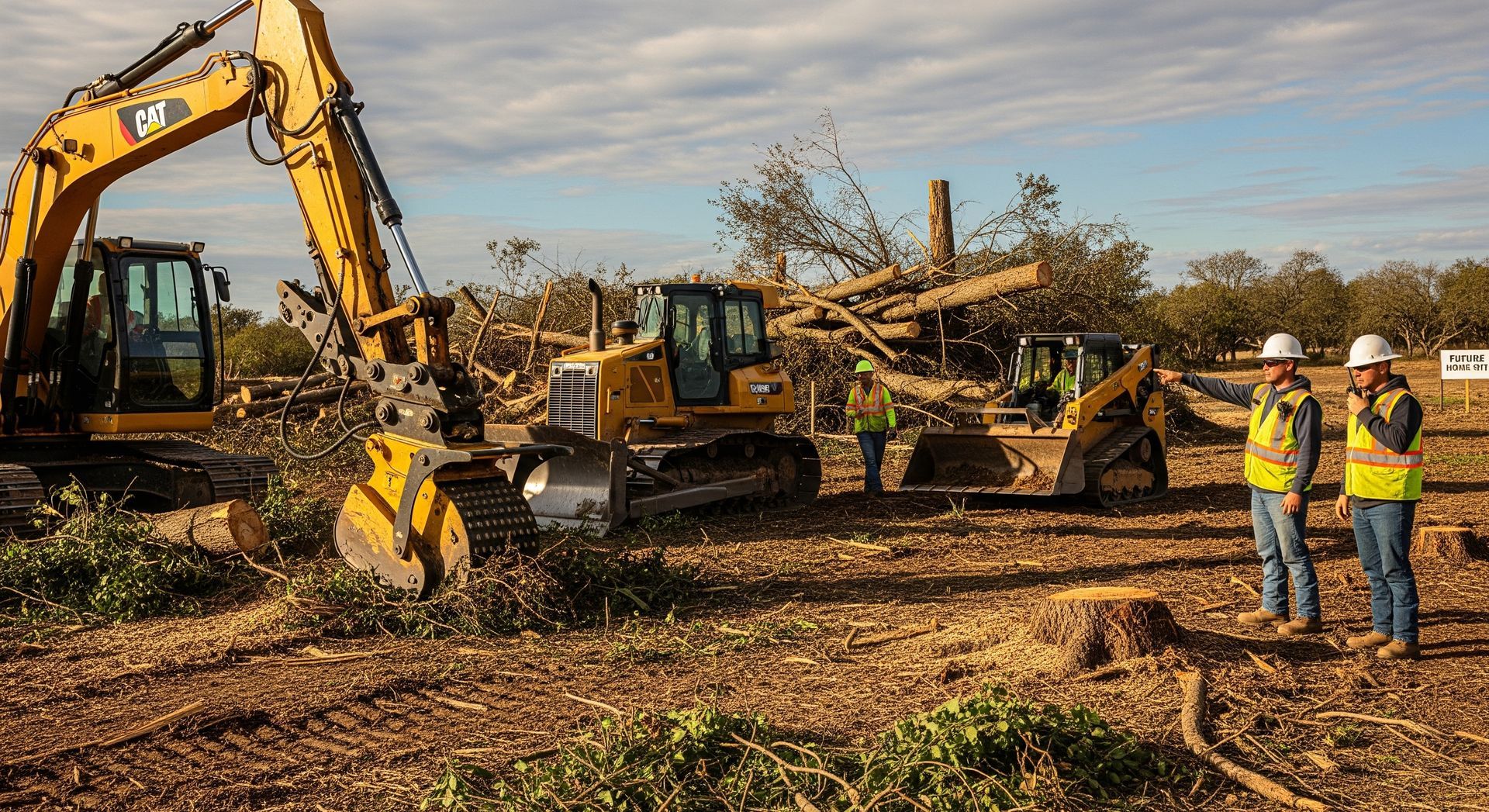
The right tools match job demands. Excavators with shears handle steel efficiently, while grapples suit debris sorting. Wrong choices prolong tasks. High-reach demolishers topple chimneys safely from a distance.
Modern tech like remote-controlled demolishers accesses hazardous interiors safely. Drones survey sites pre-work, spotting issues early. GPS-guided machines grade debris piles precisely.
Rental vs. ownership affects budgets. Daily rates for a 30-ton excavator run $1,000-$2,000. Fuel and maintenance add up. Long-term rentals negotiate better terms.
Innovations like wireless cameras reduce manpower needs, trimming timelines. Robotic breakers handle repetitive tasks tirelessly.
Debris Management and Disposal Logistics
Volume of waste dictates hauling frequency. Concrete crushed on-site for reuse, cutting truck trips. Mixed debris sorts at landfills. Wood chips mulch for landscaping sales.
Local tipping fees vary widely, from $50/ton in rural spots to $150/ton in urban areas. Permits for transport ensure compliance. Overweight fines hit if loads exceed axle limits.
Recycling centers process metals and wood, yielding credits. Poor planning leads to stockpiles that block progress. On-site sorting stations speed workflows.
Efficient routing and container sizing optimize this phase. Partner with haulers experienced in local routes.
| Feature | DIY Land Clearing | Professional Land Clearing |
|---|---|---|
| Equipment Quality | Limited | High-grade machinery |
| Safety | Higher risk | Trained and insured |
| Time Required | Longer | Faster |
| Land Preparation Quality | Inconsistent | Precise and thorough |
| Environmental Considerations | More difficult to manage | Handled by trained professionals |
| Cost Over Time | Often higher | Long-term savings |
Strategies to Optimize Timelines and Control Costs
Phased planning integrates factors. Start with permits while surveying hazards. Bundle testing to avoid sequential waits. Use 3D modeling for virtual walkthroughs.
Value engineering tweaks scopes. Selective demo preserves usable elements, saving time. Modular fencing speeds setup.
Contingency budgets cover surprises, typically 10-15 percent. Fixed-price contracts with clear scopes limit escalations. Performance bonds protect against defaults.
Regular progress meetings catch issues early. Digital tracking apps monitor milestones. Daily logs document changes for disputes.
Case Studies: Real-World Demolition Projects
A downtown office tower faced historic review, delaying the start by 45 days. Selective interior demo preserved facade, finishing under budget via recycling. Drone surveys cut planning time by half.
Suburban home with asbestos siding added abatement phase. Crews recycled 70 percent of materials, offsetting costs and completing in 10 days despite spring rains.
Industrial warehouse on a sloped site used cranes for access. Weather prep kept the schedule intact despite rain. On-site crushing reused aggregate for new roads.
These examples show how anticipation turns challenges into successes. Each project adapted local factors for optimal results.
Frequently Asked Questions
How long does professional land clearing take?
The timeline depends on property size, vegetation density, and project complexity. Most projects range from one day to several days.
Is land clearing environmentally safe?
When done professionally, clearing can be environmentally responsible. Specialists use methods that protect valuable trees, prevent unnecessary soil disturbance, and follow local regulations.
Can I clear my own land?
DIY clearing is possible for very small areas, but most projects benefit from professional services due to equipment needs, safety concerns, and long term land health.
How much does land clearing cost?
Costs vary based on acreage, access, equipment required, and the condition of the land. An in person evaluation provides the most accurate estimate.
Do I need permits for land clearing in Florida?
Some projects require permits, especially if wetlands or protected trees are involved. Professional companies can help determine what approvals are needed.
Final Thoughts
Key factors that affect local
demolition timelines and costs demand attention from the outset. From permits to weather, each element shapes project success.
Smart planning and expert partners turn potential pitfalls into manageable steps. Stay informed on local trends to refine your approach.
Ready to tackle your demolition? Contact our specialists today for a free estimate and timeline assessment.
Reference:
https://www.southern-enviro.com/blog/the-florida-homeowners-guide-to-land-clearing
Share this article