Essential Land Clearing and Grading Tips for Florida Properties
Florida's unique landscape presents both opportunities and challenges for property development. From sandy coastal soils to clay-rich inland areas, understanding proper land clearing and grading techniques is essential for successful construction projects. Whether you're preparing for a new home, commercial development, or agricultural use, proper site preparation ensures long-term stability and compliance with local regulations. This comprehensive guide covers everything Florida property owners need to know about land clearing and grading, from initial planning to final inspection.
Key Takeaways
- Obtain proper permits before beginning any land clearing activities, as Florida has strict environmental regulations governing wetlands and protected species.
- Conduct thorough soil testing to determine the best grading approach, as Florida's diverse soil types require different preparation methods.
- Plan drainage carefully to prevent flooding and erosion, considering Florida's heavy rainfall patterns and flat topography.
- Schedule work during dry seasons when possible to avoid complications from wet weather and reduce soil compaction.
- Choose experienced grading contractors familiar with local regulations and environmental considerations specific to your area.
- Budget for unexpected challenges such as underground utilities, archaeological findings, or additional drainage requirements.
Understanding Florida's Unique Soil Conditions
Florida's geological diversity creates distinct challenges for land clearing and grading projects. The state's soil composition varies dramatically from region to region, influencing everything from drainage requirements to foundation design.
Common soil types across Florida include:
- Sandy coastal soils with excellent drainage but limited bearing capacity
- Clay-rich central Florida soils with poor drainage and expansion characteristics
- Rocky limestone areas in South Florida requiring specialized excavation
- Sandy loam soils in North Florida offering good stability
Each soil type requires different handling techniques. Sandy soils need careful compaction to prevent settling, while clay soils demand moisture management to prevent swelling and shrinkage issues.
Regional Soil Characteristics
Northern Florida features rolling hills with clay and sandy loam soils that provide good stability but may require additional drainage considerations. Areas around Crestview, Baker, and Milton benefit from the region's elevation changes that offer natural drainage advantages, though these can complicate grading for level construction sites.
South Florida's limestone bedrock lies close to the surface in many areas, creating unique excavation challenges. The porous limestone provides natural drainage but can create sinkholes if not properly managed during grading operations.
Essential Permits and Regulations for Land Clearing
Florida's environmental regulations require careful attention to permitting before any land clearing activities begin. The state protects wetlands, endangered species habitats, and water resources through comprehensive permit requirements.
Required permits typically include:
- Environmental Resource Permits (ERP) for projects affecting wetlands or surface waters
- Tree removal permits for protected species or designated trees
- Erosion and sediment control permits for soil disturbance activities
- Stormwater management permits for drainage modifications
The permitting process can take several months, making early application essential for project timeline management. Working with experienced professionals helps navigate complex requirements efficiently.
Local Municipality Requirements
Each county and city in Florida has specific requirements for land clearing and grading activities. Building permits, tree removal permits, and erosion control permits may all be required depending on your project scope and location. Many municipalities require detailed site plans showing existing vegetation, proposed grading, and stormwater management systems.
Working with experienced local grading contractors who understand these requirements can streamline the permitting process and prevent costly delays. Professional contractors maintain relationships with permitting agencies and stay current on changing regulations.
Planning Your Grading Project for Success
Professional site surveys provide essential elevation data and identify potential challenges before work begins. Many contractors specialize in residential and small-scale projects, offering personalized service that larger companies cannot match.
| Planning Phase | Timeline | Key Considerations |
|---|---|---|
| Site Survey and Analysis | 2-4 weeks | Soil testing, utility location, environmental assessment |
| Permit Applications | 4-12 weeks | Environmental review, municipal approvals |
| Contractor Selection | 2-4 weeks | License verification, insurance, references |
Drainage Design Considerations
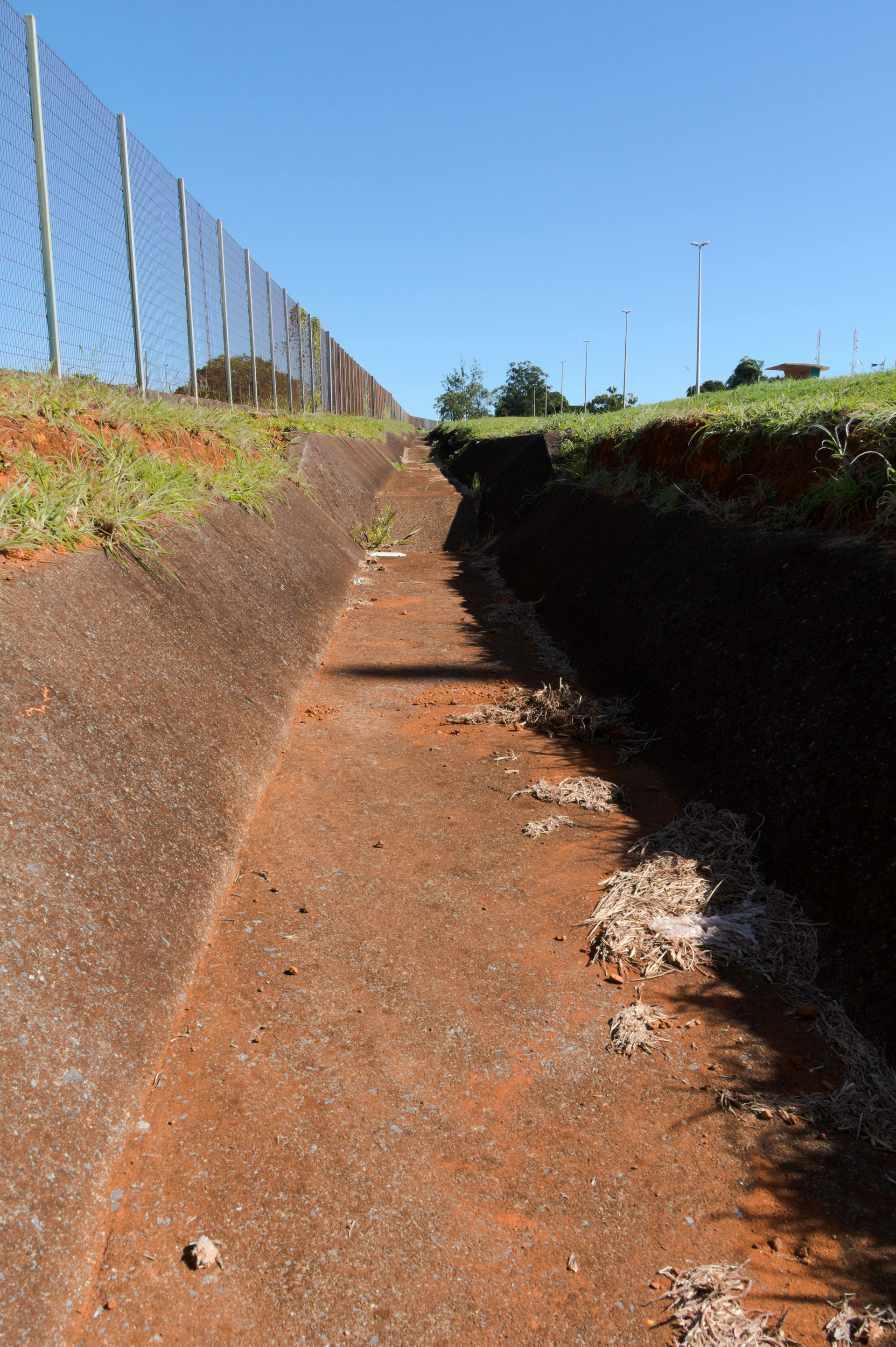
Proper drainage design is critical for Florida properties due to the state's intense rainfall patterns and frequent storms. Effective grading creates positive drainage away from structures while maintaining appropriate slopes for erosion control. Most building codes require a minimum slope of 6 inches over the first 10 feet from the foundation walls.
Stormwater management systems must comply with local regulations and may require retention or detention facilities for larger projects. These systems protect both your property and downstream areas from flooding while filtering pollutants from runoff. Proper culvert installation and driveway grading are essential components of effective drainage systems that prevent water damage and erosion issues.
Choosing the Right Equipment and Techniques
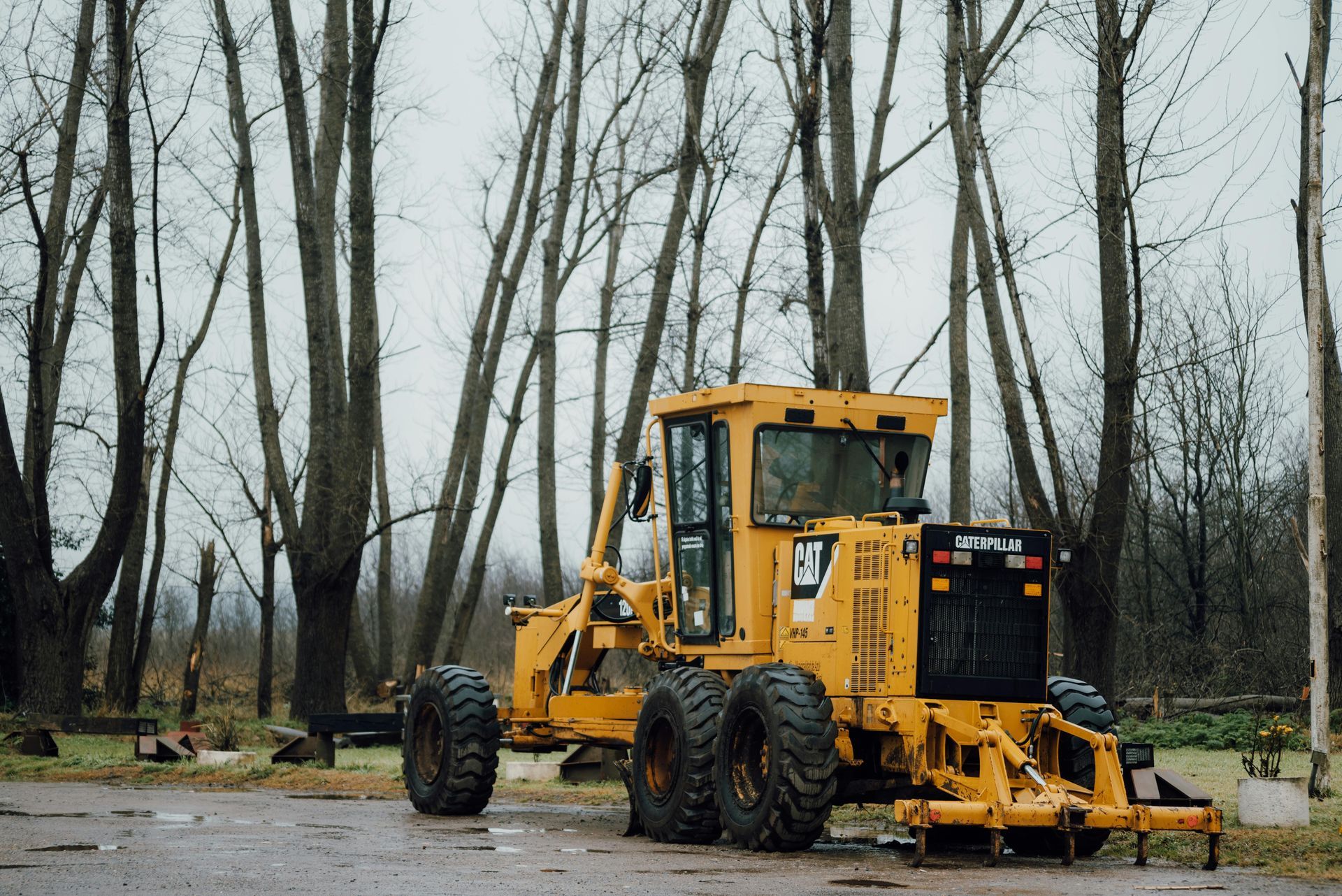
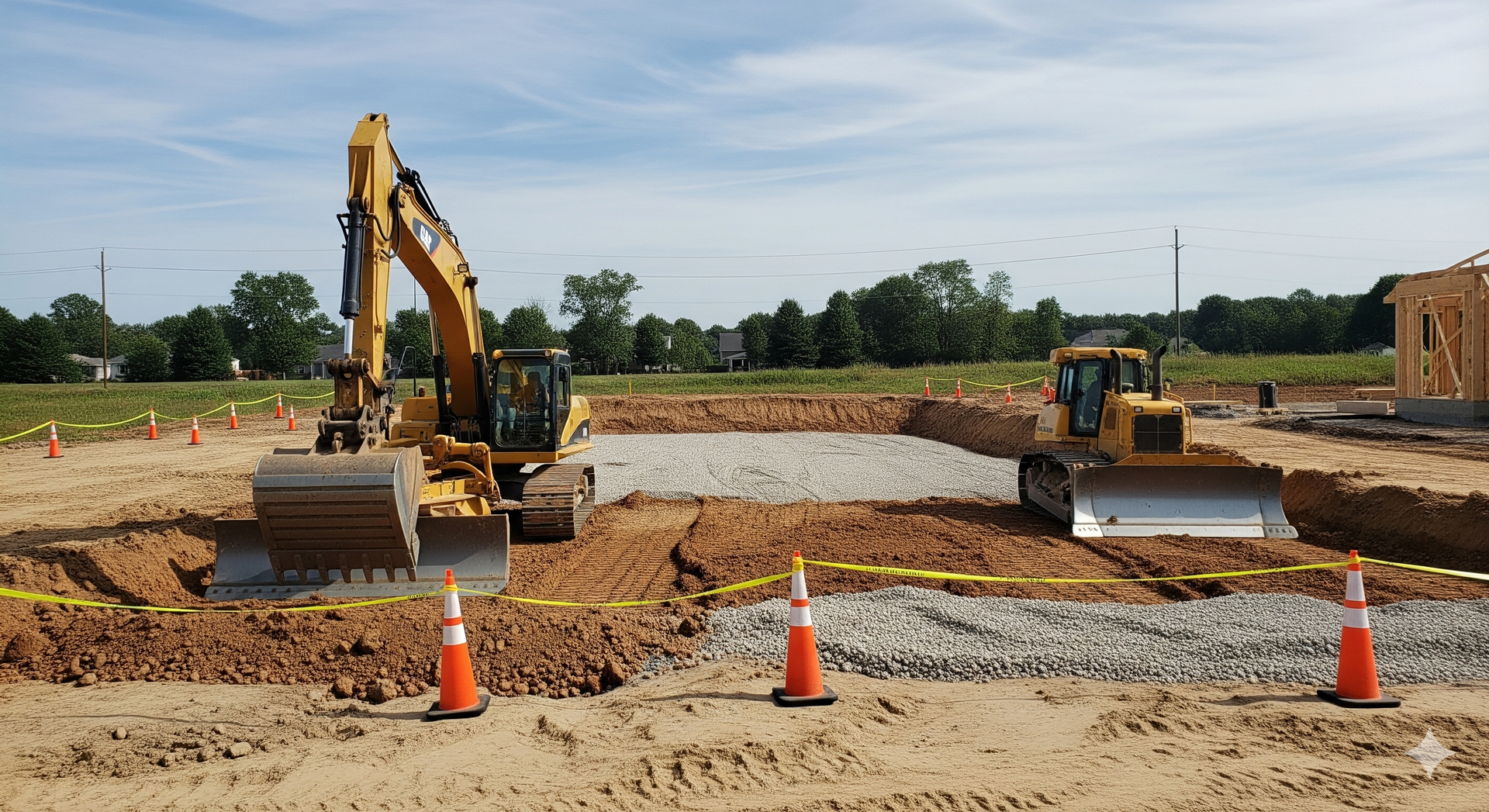
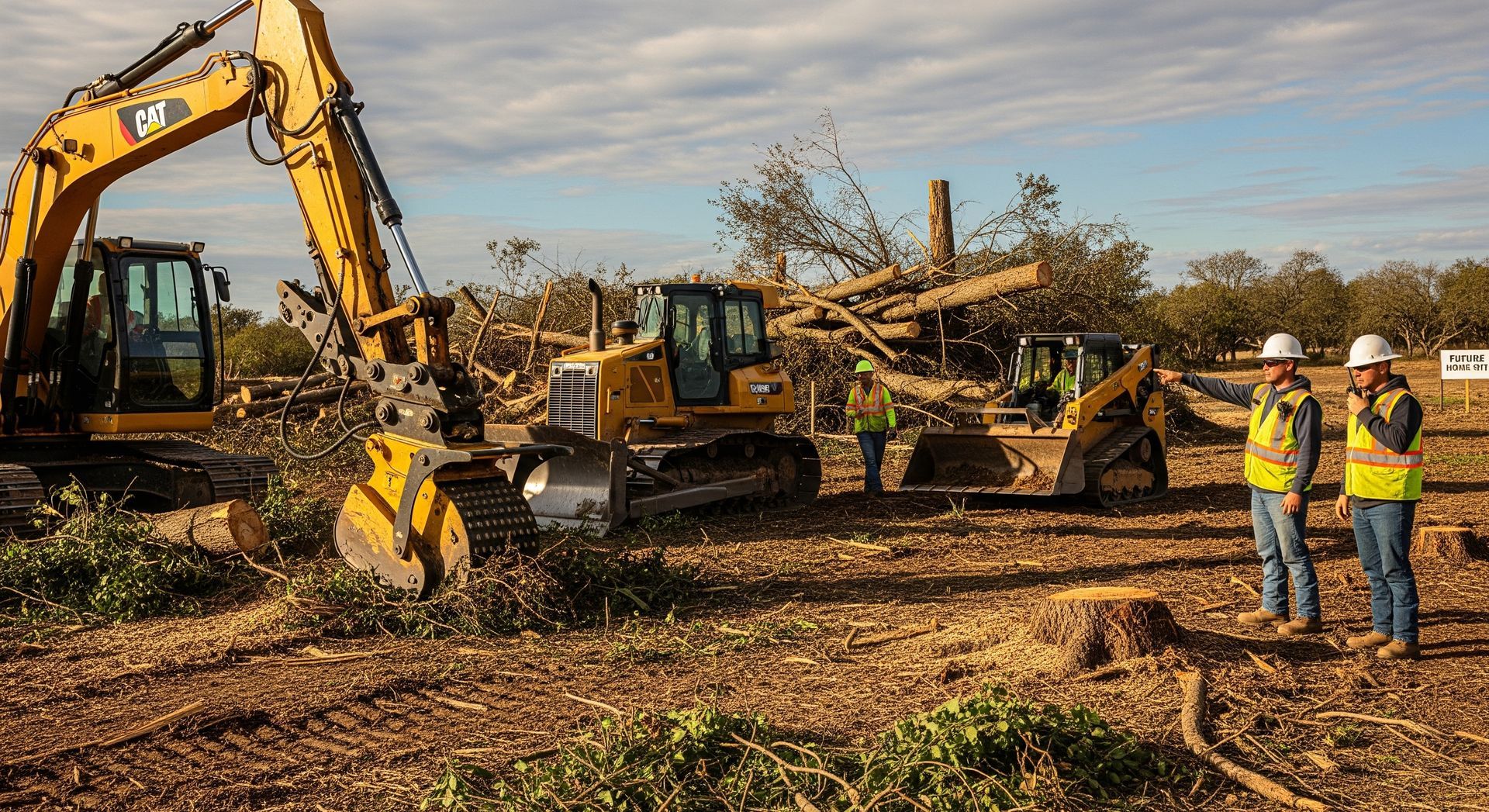
Modern land clearing and grading projects require specialized equipment matched to site conditions and project requirements. Equipment selection significantly impacts project efficiency, soil preservation, and final results.
Equipment Selection for Florida Conditions
Different machine types excel in specific Florida conditions:
- Track-mounted equipment for sandy soils and wet conditions, distributing weight evenly
- Forestry mulchers for heavy vegetation clearing, converting debris into beneficial mulch
- GPS-guided grading systems for accurate elevation control on large sites
- Rubber-tired equipment for firm, dry sites with minimal soft soil concerns
The right equipment choice prevents soil damage and reduces project costs. Track machines work well in marginal conditions, while GPS systems improve accuracy and reduce rework needs.
Soil Preservation Methods
Protecting topsoil during grading operations preserves valuable organic matter and soil structure. Proper topsoil stripping and stockpiling techniques maintain soil biology and reduce the need for extensive soil amendments after grading completion.
- Strip and stockpile topsoil separately from subsoil materials
- Avoid working in wet conditions that cause soil compaction
- Use appropriate compaction techniques for different soil types
- Install temporary erosion control measures during construction
- Plan work sequences to minimize soil disturbance
Finding Qualified Grading Contractors
Selecting the right grading contractor is essential for project success and regulatory compliance. Experienced contractors understand local soil conditions, permit requirements, and environmental challenges.
Essential Contractor Qualifications
Look for contractors with these key qualifications:
- Current state and local licenses for land grading and clearing work
- Comprehensive liability and workers' compensation insurance
- Specialized certifications in erosion control or stormwater management
- Modern, well-maintained equipment appropriate for your project type
- Strong references from recent similar projects in your area
- Military experience or background that demonstrates discipline and precision
Professional landscape grading companies often hold additional certifications that indicate enhanced expertise in managing complex projects with environmental considerations. Veteran-owned businesses frequently bring exceptional attention to detail and commitment to quality.
Evaluating Contractor Proposals
Quality proposals include detailed scope descriptions, timeline estimates, and material specifications. Look for contractors who offer comprehensive services, including demolition, driveway repair, and culvert installation, alongside traditional land clearing work. Be wary of unusually low bids that may indicate corner-cutting or hidden costs.
The best grading contractors near you will provide transparent pricing and clearly explain their approach to your specific site challenges. Request references from recent projects with similar scope and site conditions, particularly in areas like Northwest Florida, where local expertise matters. Good contractors welcome reference checks and may offer warranties on their work to demonstrate confidence in quality.
Seasonal Considerations and Weather Impact
Florida's subtropical climate creates distinct seasons that significantly impact land clearing and grading operations. Understanding these patterns helps in project planning and prevents weather-related delays.
Dry Season Advantages
The dry season (November through April) offers optimal conditions:
- Lower humidity and minimal rainfall create stable working conditions
- Improved soil compaction results due to controlled moisture levels
- Enhanced equipment productivity with better site access
- Consistent work schedules without frequent weather delays
Scheduling major earthwork during dry periods reduces project costs and timeline risks while producing better long-term results.
Wet Season Challenges
Summer months present several operational challenges:
- Daily afternoon thunderstorms disrupting work schedules
- Elevated groundwater levels complicating excavation work
- Wet soil conditions preventing proper compaction
- Increased erosion risks requiring enhanced control measures
Hurricane season adds complexity requiring contingency planning for severe weather events and proper site stabilization protocols.
Frequently Asked Questions
How long does the permitting process typically take for land clearing in Florida?
Permitting timelines vary from 4-12 weeks, depending on project complexity and environmental factors. Simple residential projects may receive approval in 4-6 weeks, while complex developments involving wetlands or endangered species habitat can take 3-4 months or longer.
What soil tests are required before beginning grading work?
Standard soil testing includes bearing capacity analysis, compaction characteristics, and drainage properties. Additional testing may be required for contamination screening or environmental assessments depending on the property's history and intended use.
How much does professional land clearing and grading cost in Florida?
Costs vary widely based on site size, soil conditions, vegetation density, and access requirements. Simple clearing and grading typically range from moderate to higher-end pricing per acre, depending on complexity and local market conditions.
Can I perform small grading projects myself without hiring contractors?
Minor grading work may be possible for experienced property owners, but most projects require professional expertise and specialized equipment. Permit requirements and liability concerns often make professional contractors the safer choice.
What drainage solutions work best for flat Florida properties?
Flat sites require creative drainage solutions, including swales, retention ponds, and strategic grading to create gentle slopes toward designated drainage areas. French drains and foundation drainage systems often supplement surface grading on challenging sites.
Final Thoughts
Successful land clearing and grading projects in Florida require careful planning, proper permitting, and experienced professionals who understand local conditions and regulations. By following these guidelines and working with qualified contractors, property owners can ensure their projects meet all requirements while protecting Florida's valuable natural resources. Investing in proper planning and professional expertise pays dividends in project success, regulatory compliance, and long-term property value. Whether you're developing a residential lot or preparing for commercial construction, these essential tips will help guide your project toward successful completion.
Ready to clear your land? Schedule your appointment for our grading contractors today.
Reference:
https://floridadep.gov/water/submerged-lands-environmental-resources-coordination/content/environmental-resource-permitting
Share this article