How Land Clearing Prepares Sites for Safe Development
Land clearing serves as the foundational step in preparing sites for safe development. This process involves removing vegetation, debris, and other obstacles from a plot of land to create a clean slate for construction projects. Builders and developers rely on it to minimize hazards, support structural integrity, and comply with local regulations.
Effective land clearing goes beyond simple removal. It sets the stage for everything from residential homes to commercial buildings and infrastructure. By addressing natural and man-made impediments early it helps prevent costly issues down the line.
In this article, we explore the key aspects of land clearing and its role in safe development. We cover methods, benefits, environmental considerations, and best practices to give you a complete picture.
Key Takeaways
- Land clearing removes trees, stumps, and debris to create stable building sites.
- It reduces fire risks and erosion, promoting safer environments.
- Proper techniques ensure soil stability for foundations.
- Selective clearing preserves ecosystems while enabling development.
- Compliance with regulations avoids legal delays.
- Professional services enhance efficiency and safety.
Why Land Clearing Matters for Development Projects
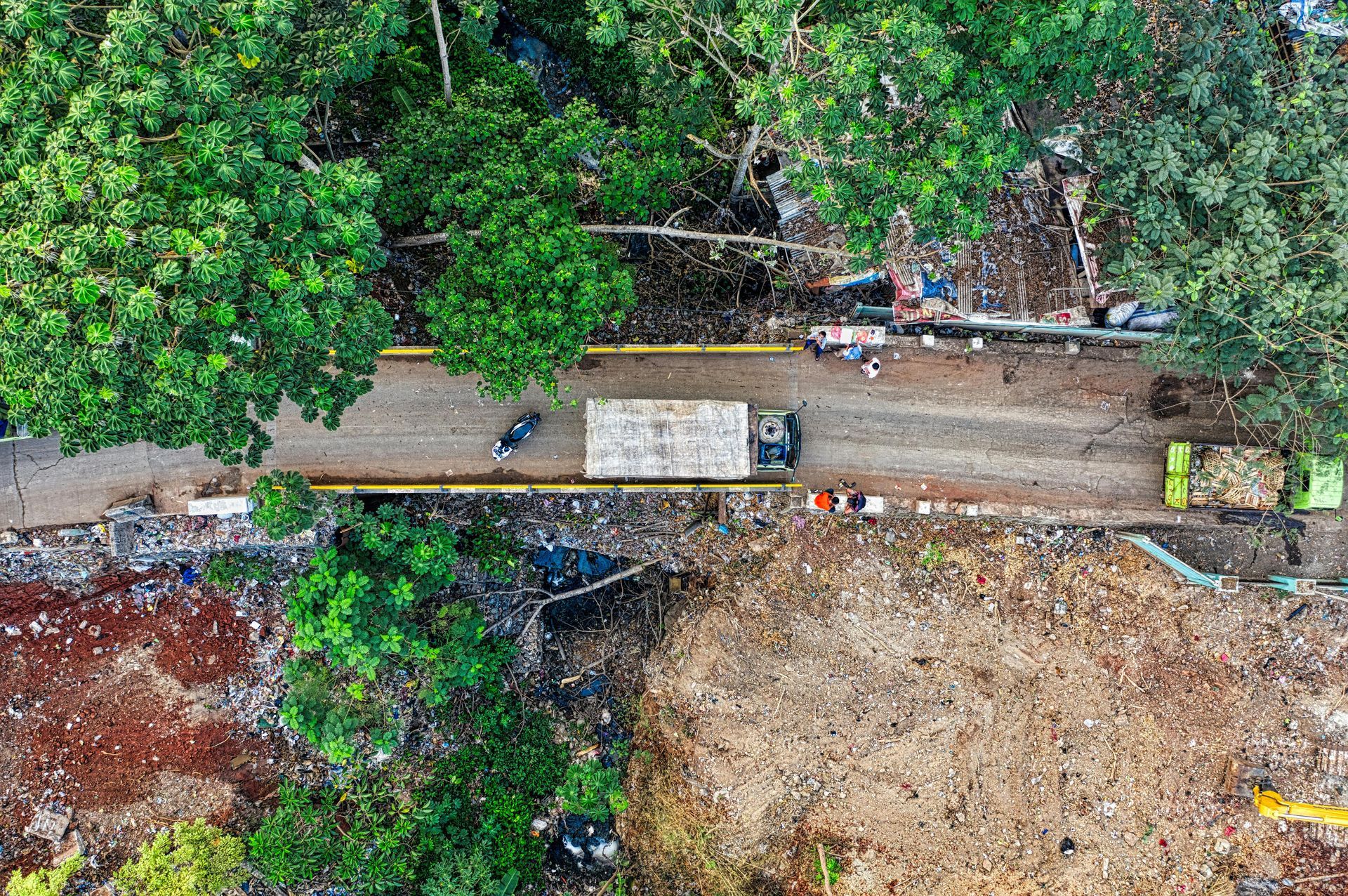
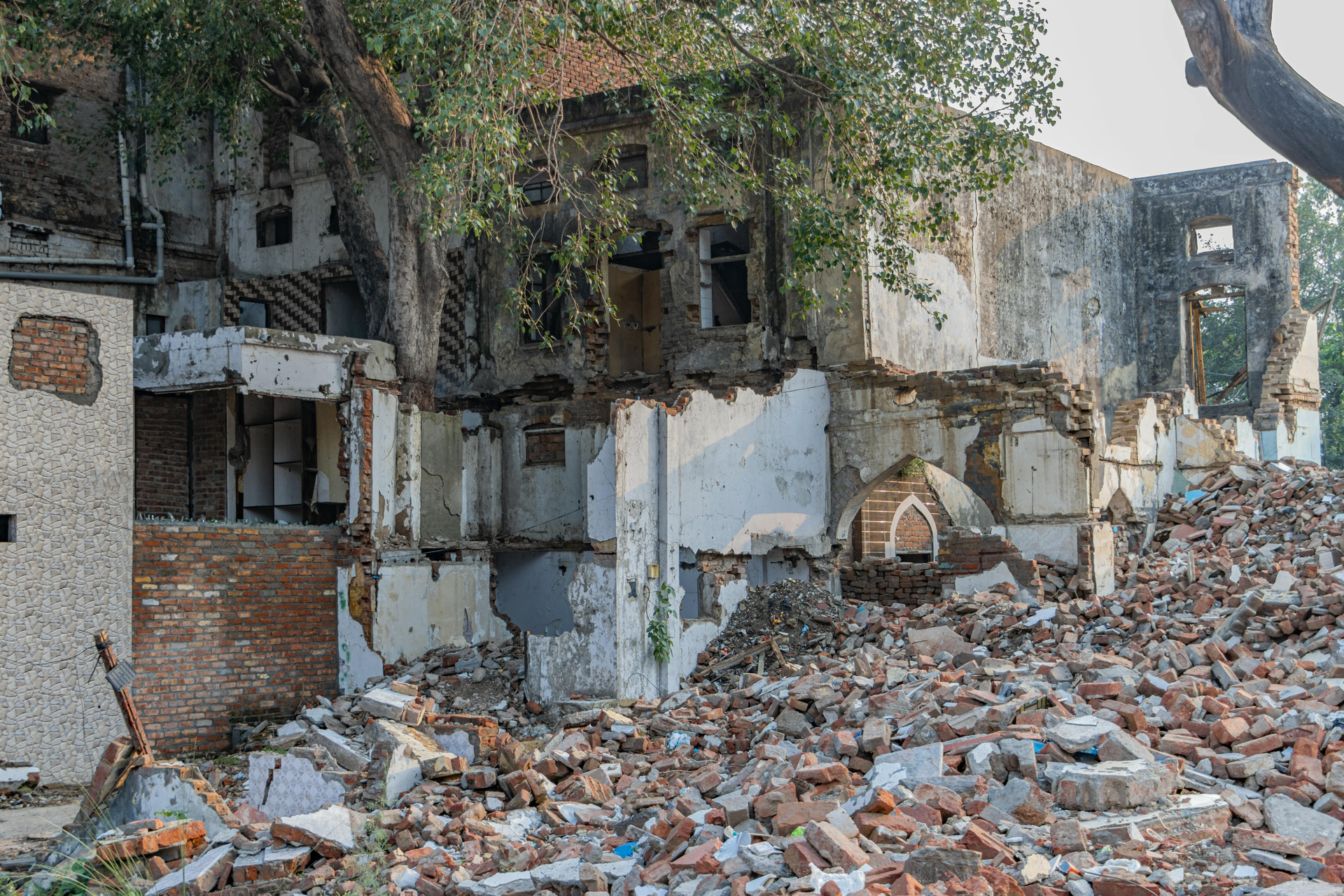
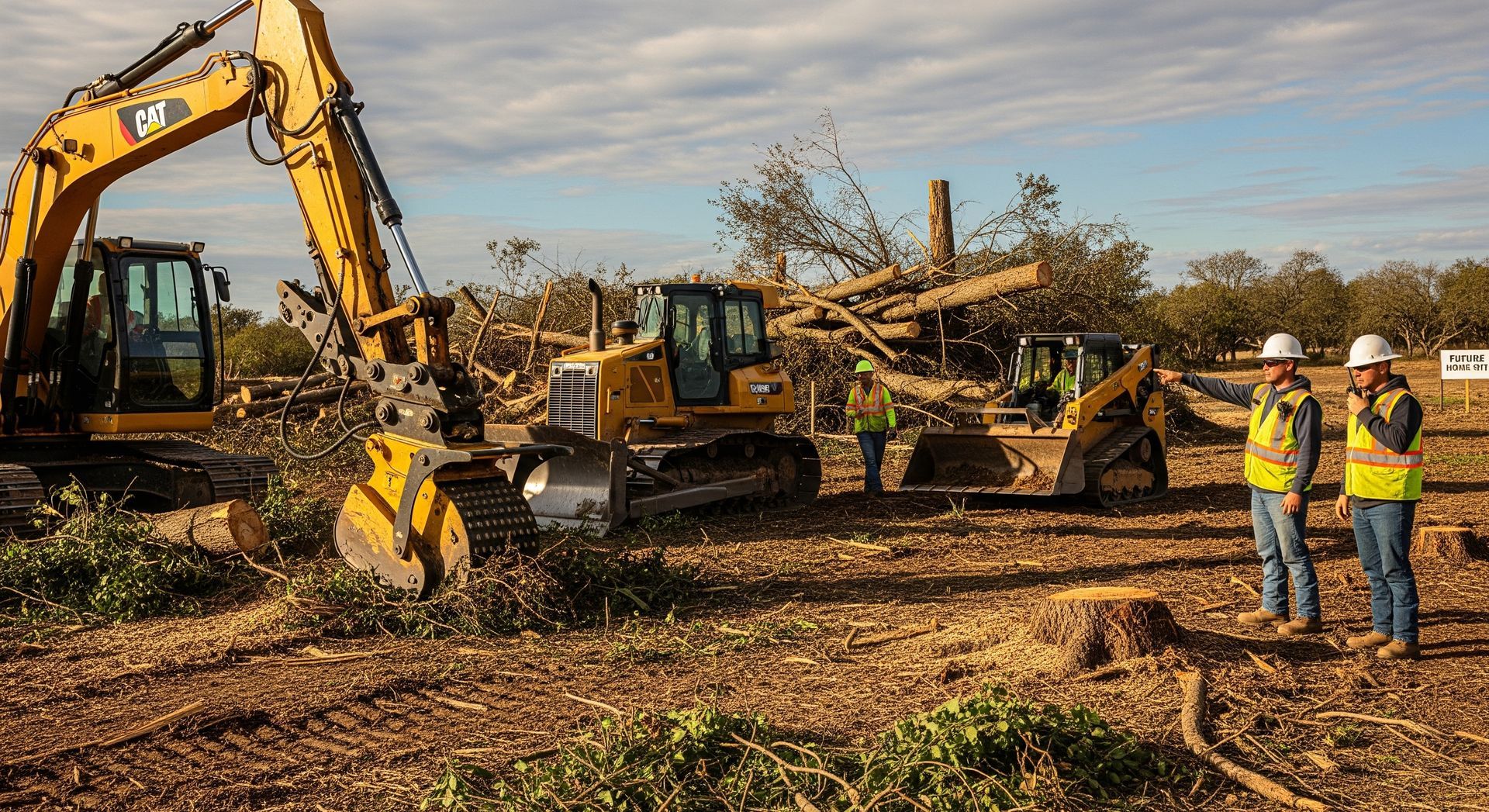
Land clearing forms the critical first phase of most development initiatives. Undeveloped land often features dense vegetation, uneven terrain, and hidden obstacles that can complicate construction. Without proper clearing, these elements pose risks to workers, equipment, and future structures.
Consider a forested plot intended for a housing subdivision. Thick underbrush hides rocks and roots that could damage machinery. Overgrown trees block access roads, delaying progress. Clearing addresses these issues systematically, allowing crews to assess the site fully.
Developers benefit from cleared land in several ways. It improves visibility for surveying and planning. It also facilitates soil testing to identify contamination or instability. These steps lay the groundwork for informed decisions.
Moreover, cleared sites speed up timelines. Projects that skip or rush clearing often face rework, increasing expenses. Data from industry reports shows that thorough preparation can cut overall costs by up to 20 percent in some cases.
Safety stands out as a primary driver. Cluttered sites lead to accidents like trips, falls, and equipment tip-overs. Clearing creates open, navigable spaces that protect workers from immediate dangers.
Common Methods of Land Clearing
Several techniques suit different site conditions and project scales. Each method balances efficiency, cost, and environmental impact. Professionals select approaches based on vegetation density, soil type, and local rules.
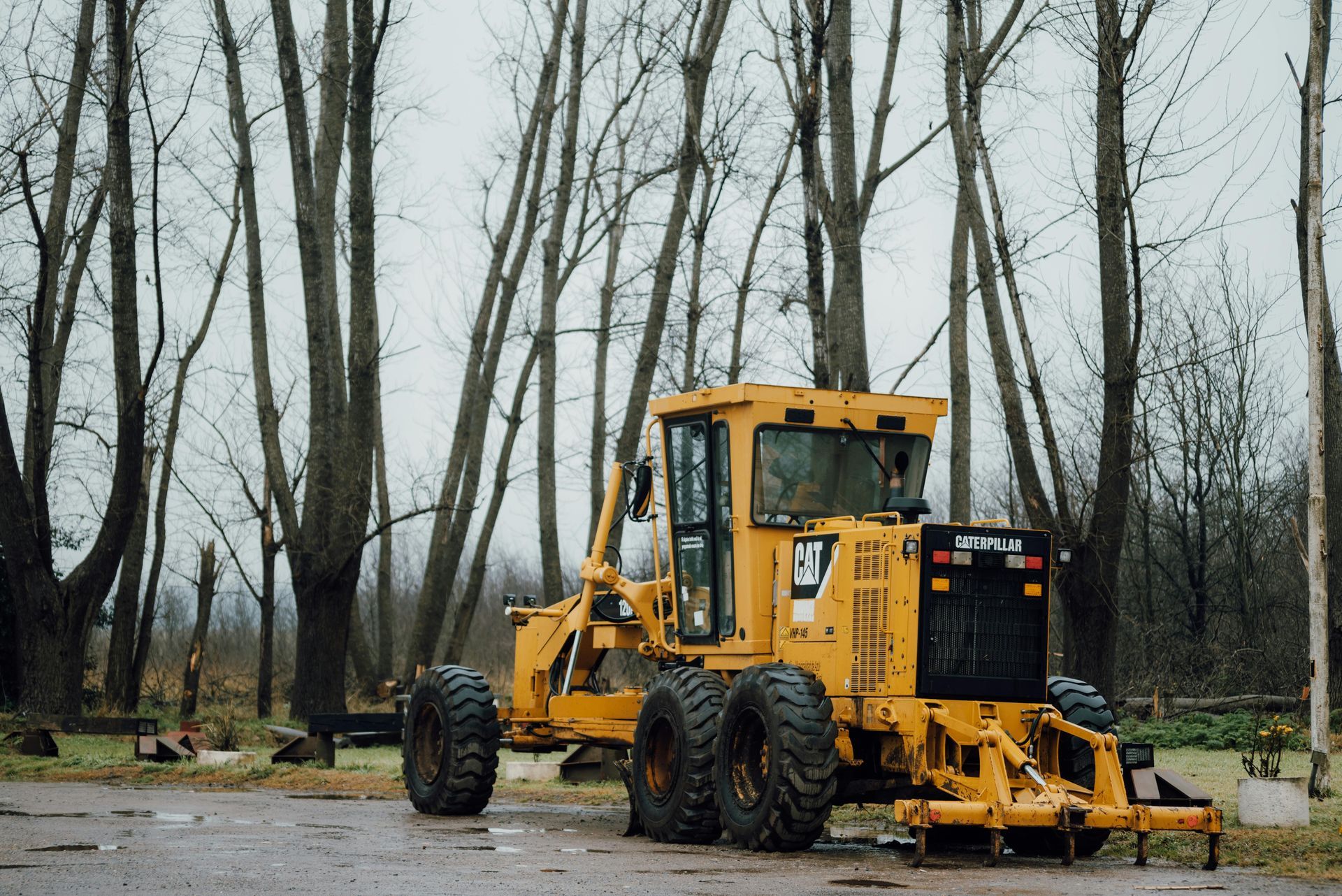
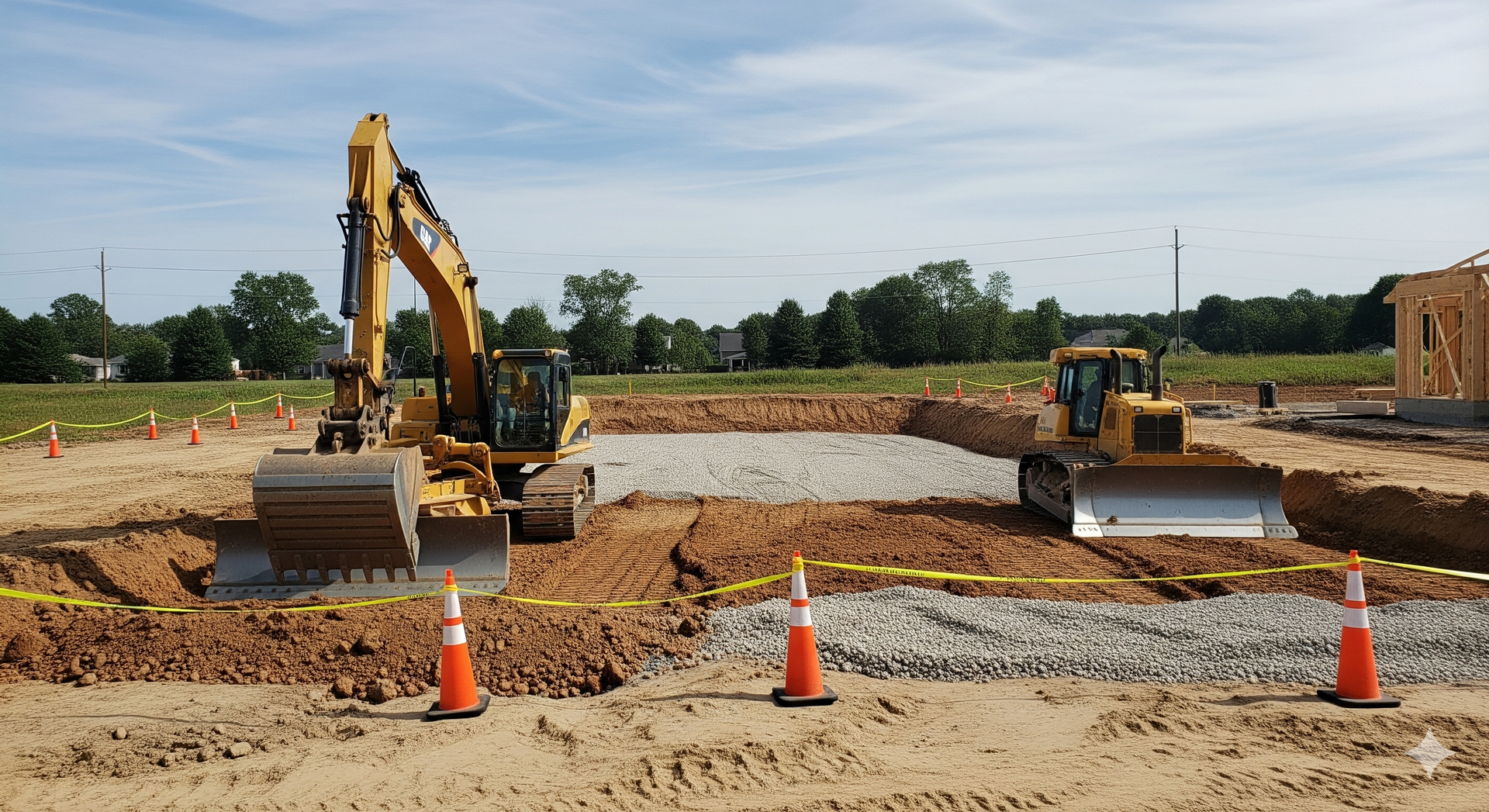
Mechanical clearing uses heavy equipment like bulldozers, excavators, and mulchers. Bulldozers push over trees and level ground quickly on large areas. Mulchers grind vegetation into fine mulch, which stays on-site to prevent erosion. This method excels in dense forests or rocky terrains and handles stumps and roots effectively, though it carries some risk of soil compaction.
Chemical clearing targets stubborn brush and invasive species with herbicides. Applicators spray selective chemicals that kill plants without harming desirable trees. It works well for regrowth control after initial mechanical work and proves cost-effective for expansive, low-density areas, but requires caution to protect waterways.
Manual clearing relies on hand tools and chainsaws for smaller or sensitive sites. Crews cut trees, remove brush, and haul debris piece by piece. This approach preserves topsoil and avoids heavy machinery compaction, making it ideal for urban edges or ecologically important zones where precision matters.
Many projects use hybrid approaches that combine methods. Teams might start with mechanical removal, follow with chemical treatment, and finish manually. This layering ensures thorough results while adapting to specific challenges on varied terrains.
Safety Benefits of Proper Land Clearing
Safe development hinges on hazard elimination. Land clearing tackles fire risks first. Dead trees and dry brush fuel wildfires, endangering nearby structures. Removing this material creates defensible space, a buffer that slows fire spread.
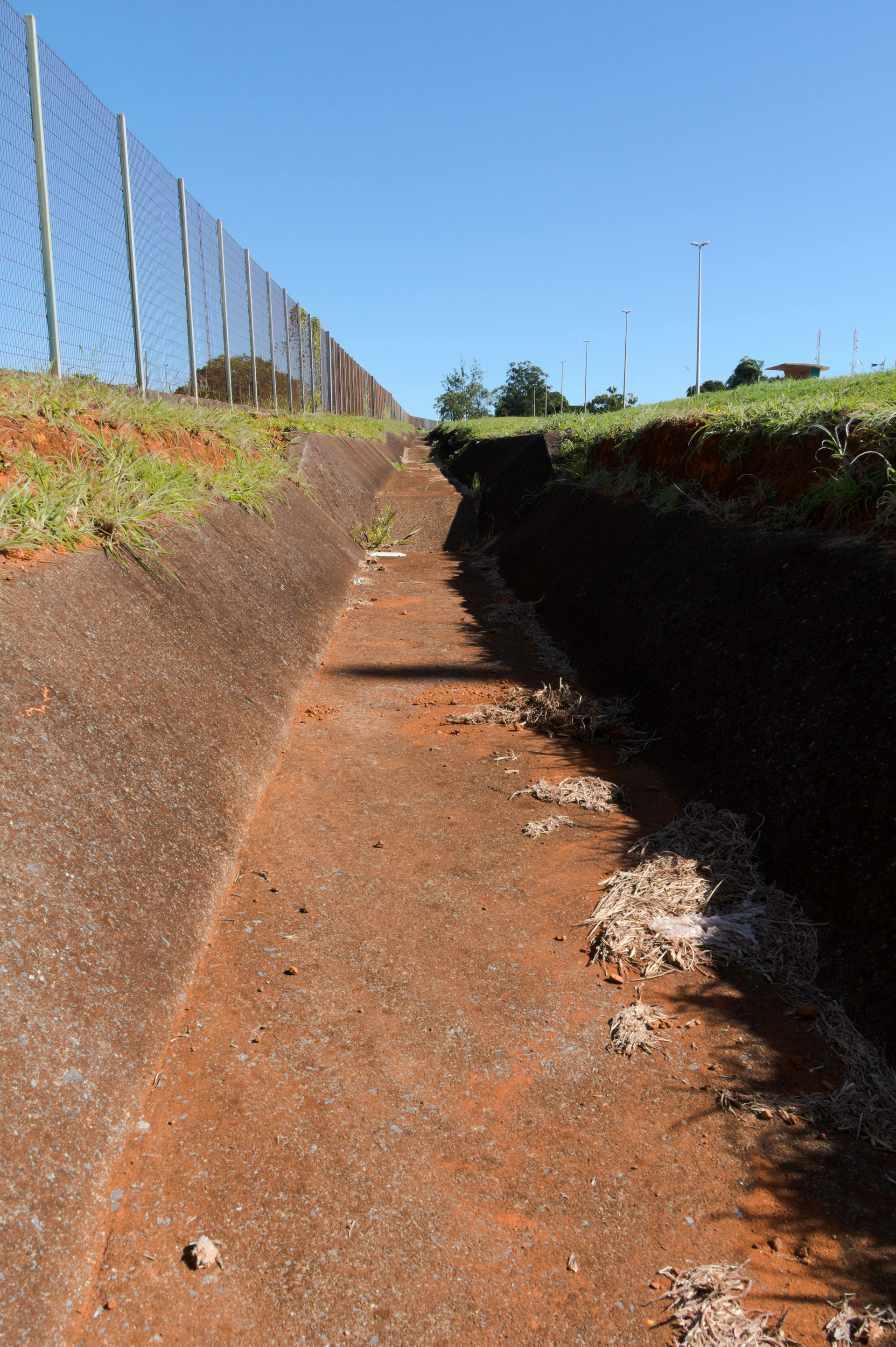
Erosion control follows closely. Bare slopes wash away soil during rains, destabilizing foundations. Clearing with erosion barriers like silt fences keeps soil in place. Graded surfaces direct water flow away from building sites.
Wildlife hazards decrease too. Snakes, insects, and burrowing animals thrive in uncleared land. Clearing exposes and relocates them, reducing encounters during construction.
Structural safety improves with stable ground. Roots and boulders undermine footings. Cleared and compacted soil supports even weight distribution, preventing cracks or shifts.
Worker protection sees direct gains. Clear paths allow safe equipment movement. Visibility cuts collision risks. Emergency access becomes straightforward, vital for medical responses.
Environmental Considerations in Land Clearing
Balance development with nature through thoughtful practices. Selective clearing removes only necessary vegetation, sparing mature trees and habitats. This maintains biodiversity and aesthetics.
Soil preservation techniques shine here. Topsoil stripping and stockpiling allow reuse in landscaping. Mulching debris returns nutrients to the ground, aiding regrowth.
Water management prevents runoff pollution. Settling ponds capture sediment before it reaches streams. Native plant replanting stabilizes banks and filters water.
Regulations guide these efforts. Permits often require erosion plans and wildlife surveys. Following them avoids fines and supports sustainable outcomes.
Long-term, cleared sites with green buffers enhance urban forests. They cool air, absorb stormwater, and boost property values.
Step-by-Step Process for Effective Land Clearing
A structured process ensures success. Start with site assessment. Surveyors map boundaries, note slopes, and identify utilities. Soil tests check stability and contaminants.
Next, obtain permits. Local agencies review plans for compliance with zoning and environmental laws.
Permitting complete, mark boundaries and protected areas. Flag trees to save and no-go zones.
Begin vegetation removal. Use appropriate methods per earlier assessment. Haul debris or mulch on-site.
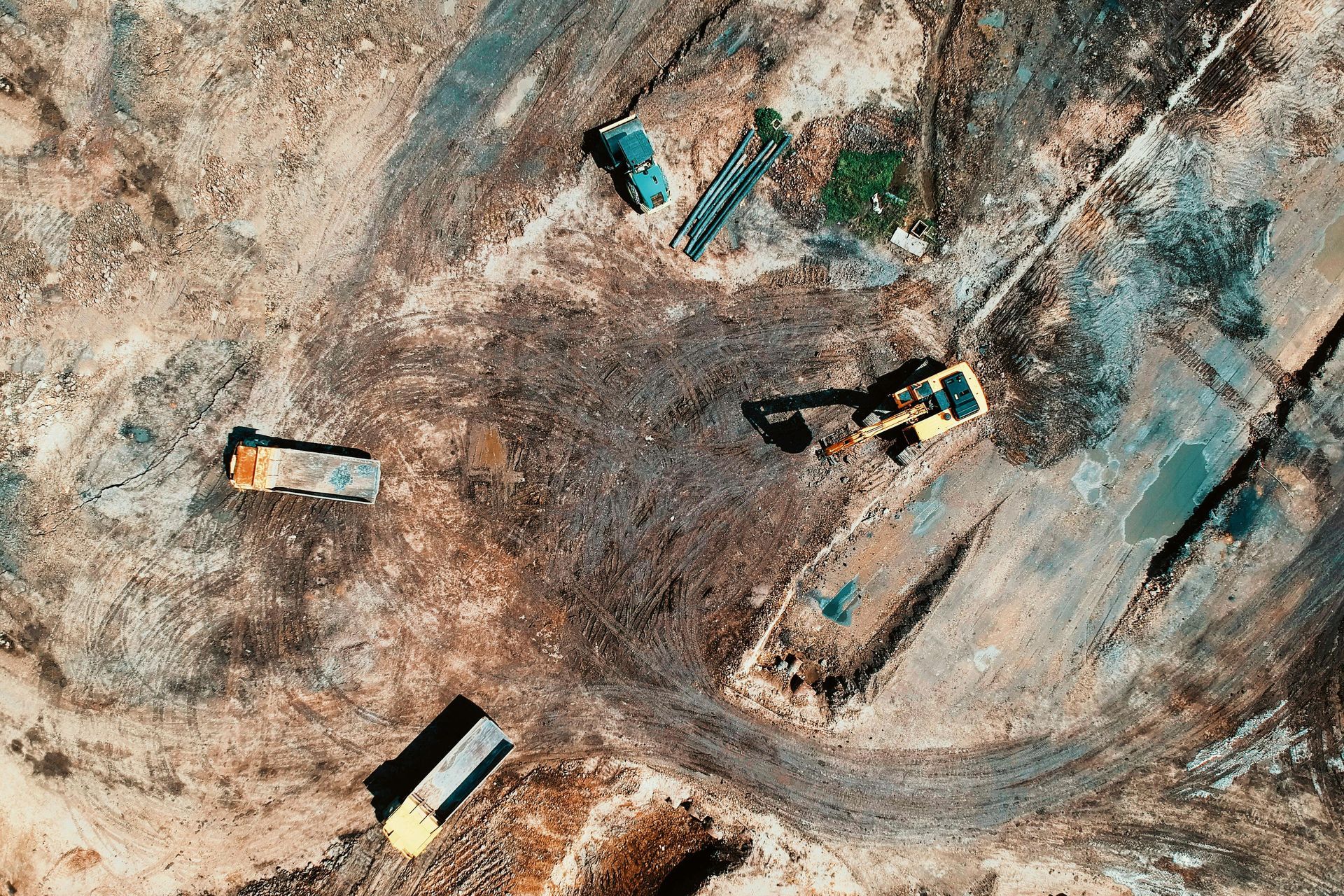
Grade the land. Excavators smooth surfaces and create positive drainage.
Finally, inspect and certify. Engineers verify readiness for the next phases, like foundation work.
Each step builds on the last, creating a safe canvas.
Integrating Land Clearing with Construction Phases
Clearing aligns seamlessly with building timelines. Post-clearing, grading prepares for the utilities installation. Trenches for pipes and wires run smoothly on level ground.
Foundation work benefits most. Cleared sites allow precise excavation without surprises. Concrete pours level perfectly.
During framing, open space speeds material delivery. Cranes operate freely, boosting efficiency.
Landscaping follows naturally. Stockpiled topsoil restores green areas around structures.
This integration minimizes downtime. Projects flow from clearing to occupancy without hitches.
Cost Factors and Budgeting for Land Clearing
Expenses vary by site size, vegetation, and access. Dense woods cost more due to stump removal. Remote locations add transport fees. Labor and equipment dominate budgets, often making up 50-70 percent of total costs. Hourly rates for bulldozers range widely based on region. Permits and surveys add 10-15 percent, while unexpected rocks can inflate totals.
Budget tips include phased clearing for cash flow management. Get multiple quotes from licensed firms. Savings come from mulching over hauling, which cuts disposal costs while benefiting soil.
| Cost Factor | Typical Range | Tips to Manage |
|---|---|---|
| Site Size | $1,000-$5,000/acre | Scale equipment to area |
| Vegetation Density | Low: $500/acre; High: $3,000/acre | Use hybrids for balance |
| Equipment/Labor | 50-70% of total | Rent vs. buy analysis |
| Permits/Disposal | $500-$2,000 | Plan early, mulch debris |
Choosing the Right Land Clearing Professionals
Select experienced teams with certifications. Look for forestry and erosion control credentials. References and portfolios reveal past work. Visit sites to gauge quality.
Insurance coverage protects against accidents. Liability and workers comp prove essential. Clear contracts outline scope, timelines, and payments. Include change order processes.
Communication keeps projects on track. Weekly updates build trust.
Regulatory Compliance and Permits
Rules vary by location. Zoning boards dictate clearing limits. Environmental agencies oversee wetlands. Federal laws like the Clean Water Act influence practices. State forestry divisions set tree removal caps.
Submit detailed plans with applications. Include erosion control measures and replanting schedules. Inspections occur mid-process. Passing them prevents stop-work orders.
Compliance fosters community support. It shows respect for shared resources.
Case Studies: Successful Land Clearing Projects
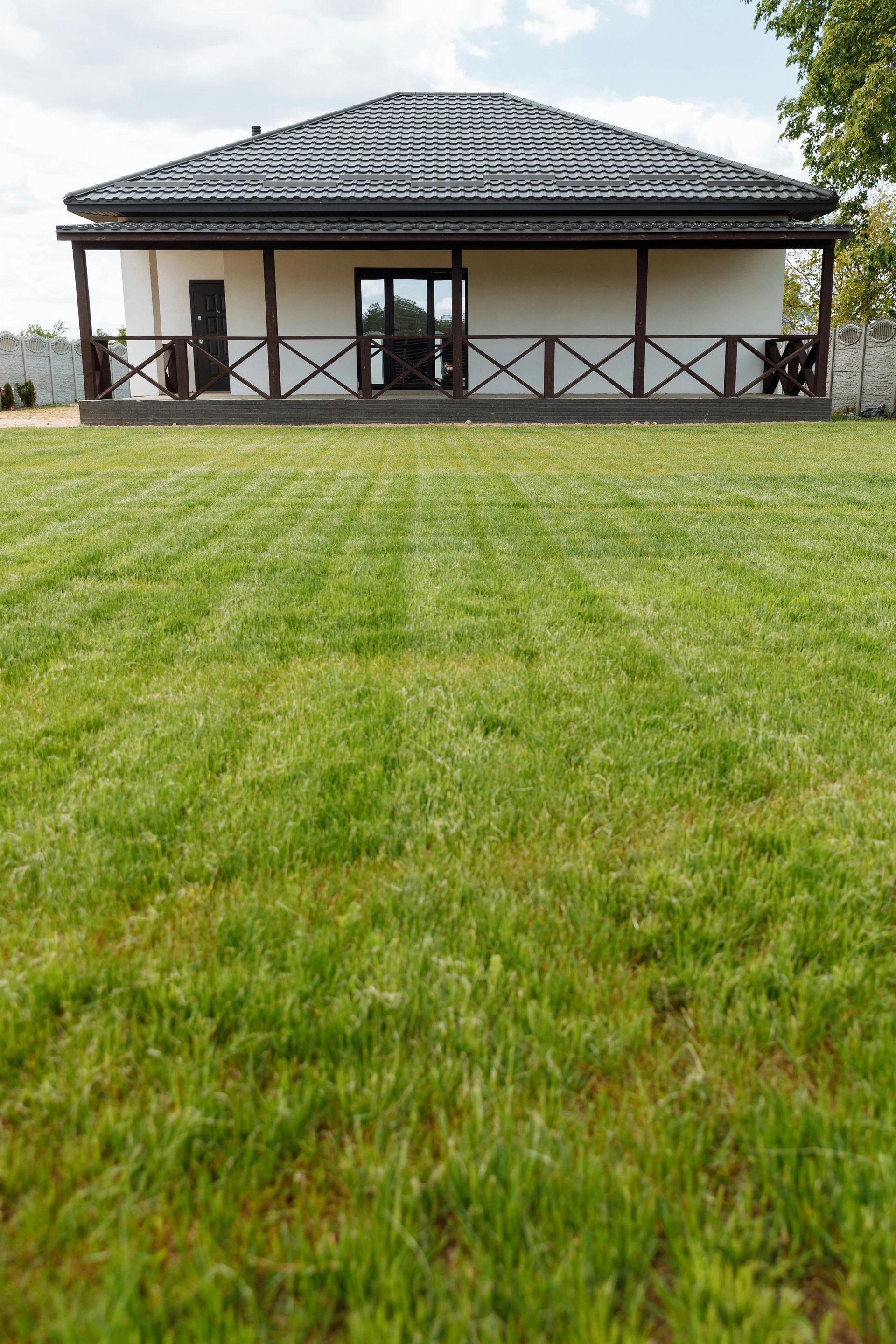
In a suburban expansion, a 50-acre wooded site underwent mechanical clearing. Mulching reduced erosion by 40 percent. Homes now stand on stable pads with fire buffers.
An industrial park project used selective methods. Preserved 30 percent tree cover while clearing access roads. Wildlife corridors remained intact.
A hillside residential development tackled steep slopes. Manual and chemical hybrid prevented slides. Foundations hold firm years later.
These examples highlight adaptable strategies yielding safe results.
Frequently Asked Questions
What is the first step in land clearing?
The timeline depends on property size, vegetation density, and project complexity. Most projects range from one day to several days.
How long does land clearing take?
It depends on size and method. Small lots finish in days; large sites may take weeks.
Is land clearing bad for the environment?
Not if done right. Selective techniques and erosion controls minimize impact and support sustainability.
Can I clear land myself?
For small areas, yes, with proper tools. Large projects need pros for safety and regulations.
How much does land clearing cost per acre?
Ranges from $500 to $5,000 per acre, based on vegetation and terrain.
Final Thoughts
Land clearing prepares sites for safe development by systematically eliminating inherent risks from fire hazards and erosion to hidden obstacles, while creating stable, engineered foundations that ensure structural integrity and seamless construction progression.
This essential process not only mitigates immediate threats like worker injuries, equipment damage, and delayed timelines but also supports efficient building phases through clear access, precise surveying, and soil compaction that prevents settling or foundation cracks, ultimately cutting overall project costs by up to 20 percent via reduced rework.
By respecting the environment through selective techniques, erosion barriers, topsoil preservation, and
regulatory compliance, it balances human progress with ecosystem health, preserving biodiversity, water quality, and long-term site sustainability for future generations.
Ready to start your project? Contact our experts today for a free site assessment and quote.
Reference:
https://safetyculture.com/topics/land-clearing
Share this article